
NORMAL VAGINAL DELIVERY
Preparing for a Normal Vaginal Delivery
Every pregnancy and every labour is different. At BirthWave, we help you understand your pregnancy, prepare for labour and discuss your preferences for birth with your care team.
From antenatal care and birth preparation to labour support and post-delivery recovery, our approach brings each stage of your maternity journey together.
Birth plans depend on your individual pregnancy and may change if medically required.
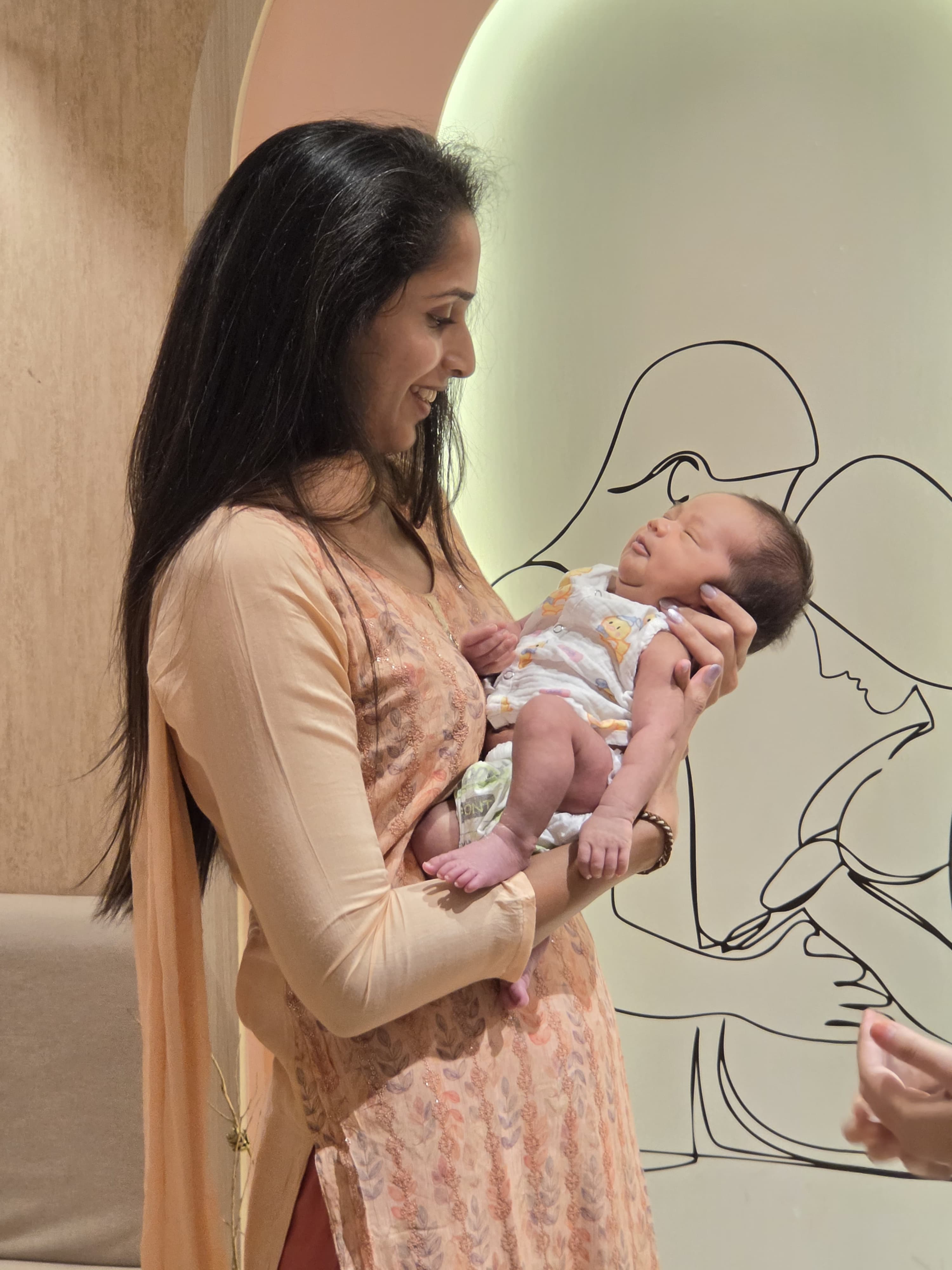
Understanding Normal Vaginal Delivery
What is a normal vaginal delivery?
A normal vaginal delivery means giving birth to your baby through the vagina rather than through a Caesarean section.
Labour usually involves contractions, gradual opening of the cervix and the baby’s movement through the birth canal.
How labour begins, progresses and ultimately leads to delivery can be different for every woman. Your doctor monitors your pregnancy and labour and discusses care according to your individual circumstances.
Physiological Route
Delivery through the natural birth canal rather than a surgical Caesarean section.
Labour Progression
Coordinated contractions, gradual cervical dilation, and guided descent of your baby.
Individualised Monitoring
Continuous clinical assessment tailored to you and your baby’s unique progress.
Inside Birthwave
Care designed around the whole journey.
See how Birthwave brings pregnancy, birth, recovery and newborn care together in one connected experience.
DOCTOR-LED, WOMEN-CENTRED CARE
Meet Dr. Santoshi Nandigam
Founder, BirthWave | Obstetrician & Gynaecologist

Discuss your pregnancy, birth preferences and questions directly with your obstetric care team.
Every pregnancy is assessed individually, and recommendations may change as pregnancy and labour progress.
PREPARING FOR BIRTH
Preparing for Vaginal Birth Starts During Pregnancy
Birth preparation is not something that needs to begin only when labour starts.
During pregnancy, your care team can help you understand what to expect and prepare physically and emotionally for childbirth.
Antenatal Care
Regular pregnancy check-ups help monitor the health and progress of both mother and baby.
Birth Preparation
Understand labour, contractions, when to come to the hospital and what you may experience during different stages of labour.
Movement & Pregnancy-Appropriate Exercise
Where medically appropriate, movement, pregnancy yoga and suitable exercises may form part of your pregnancy and birth preparation.
Nutrition
Receive guidance on nutrition and healthy habits throughout pregnancy.
Childbirth Education
Learn about labour, birth positions, breathing, comfort measures, pain-relief choices and the role of your birth partner.
Emotional Preparation
Ask questions, discuss concerns and understand your options before labour begins.
Clinical Benchmark · WHO Childbirth Guidance
WHO’s patient-centred childbirth guidance supports clear communication, pain-relief strategies, mobility during labour and a companion of choice as important elements of quality maternity care, subject to the woman’s circumstances and healthcare setting.
DURING LABOUR
What Happens During Labour?
No two labours follow exactly the same pattern. Your maternity team will monitor how you and your baby are doing and guide you as labour progresses.
Early Labour
Contractions begin and the cervix gradually starts to change.
Established Labour
Contractions generally become stronger and more regular as the cervix continues to open.
Birth
As labour progresses and the cervix becomes fully dilated, you are guided through the birth of your baby.
After Birth
The immediate post-birth period includes care for you and your newborn, along with support for feeding and early recovery.
Individual pace of labour: The pace of labour varies considerably between individuals; WHO specifically notes that labour progression should not be reduced to a single universal cervical-dilation rate.
YOUR BIRTH EXPERIENCE
Your Preferences Matter
Birth preparation is also an opportunity to talk openly about what matters to you.
Depending on your pregnancy, labour and the clinical situation, discussions may include:
Your preferences are discussed alongside the wellbeing of you and your baby.
SAFETY & CLINICAL FLEXIBILITY
What if Labour Does Not Go as Planned?
A birth plan is a guide, not a prediction of exactly how labour will unfold.
Sometimes labour may progress differently than expected or a medical concern may arise. Your obstetric and maternity team will explain what is happening and discuss the appropriate next steps with you.
This may include additional monitoring, assistance during vaginal birth or Caesarean birth when clinically required.
The goal is safe, respectful and appropriate care for both mother and baby — not achieving one particular type of birth at any cost.
CONNECTED CARE
Care Beyond the Delivery Room
BirthWave’s maternity care can connect your pregnancy, childbirth and recovery journey through:
Pregnancy & Antenatal Care
Regular pregnancy monitoring and guidance.
Childbirth Education
Preparation for labour, delivery and the early days after birth.
Pregnancy Yoga & Movement
Pregnancy-appropriate movement where suitable.
Nutrition Support
Guidance throughout pregnancy and recovery.
Lactation Support
Breastfeeding preparation and support after birth.
Postpartum Recovery
Support as your body recovers following childbirth.
NORMAL DELIVERY FAQ
Frequently Asked Questions About Normal Vaginal Delivery
It is childbirth through the vagina rather than by Caesarean section. Labour and delivery can differ from one woman to another.
Yes. Antenatal care, childbirth education and discussions about movement, nutrition, labour, comfort measures and birth preferences can help you prepare. What is appropriate for you should be discussed with your healthcare team.
You can begin discussing birth preparation during your antenatal visits rather than waiting until the final weeks of pregnancy.
Birth partners can play an important role in emotional and practical support. Discuss BirthWave’s current labour-room arrangements with your care team.
Different pain-management options may be available during labour. Your doctor and maternity team can explain which options are appropriate and available to you.
No. Labour cannot be predicted completely. Your care team monitors you and your baby and may recommend a change in the birth plan if clinically necessary.
Normal vaginal delivery describes the route of birth — the baby is born through the vagina. “Natural birth” is commonly used to describe an approach that aims to allow labour and birth to progress physiologically with fewer interventions where appropriate. Because the term “natural birth” can mean different things to different people, discuss your preferences with your doctor.
START YOUR JOURNEY
Thinking About a Normal Vaginal Delivery?
Start the conversation during pregnancy.
Meet the BirthWave team to discuss your pregnancy, birth preparation and preferences.
Send an enquiry
Prefer to write ahead? Fill this in and continue on WhatsApp.